Digital Trails Connecting Blackjack Plays, Reel Sequences, and Match Odds Through Layered Loyalty Systems
Written by Katja Coleman · Aug 6, 2026

Digital Trails Connecting Blackjack Plays, Reel Sequences, and Match Odds Through Layered Loyalty Systems
Electronic transfers serve as the connective tissue in modern casino loyalty frameworks, binding individual blackjack hands, reel sequences in slots, and match odds from sports wagering into unified reward calculations. Systems record each deposit or withdrawal in real time, then allocate points based on wager volume, game category, and player tier while maintaining audit trails that satisfy regulatory standards across multiple jurisdictions.
Payment Integration in Multi-Game Environments
Operators deploy centralized ledgers that tag every electronic transaction with metadata including game type, session duration, and outcome metrics, which allows loyalty engines to calculate rewards without manual intervention. When a player funds an account via e-wallet or bank transfer, the system immediately unlocks access to blackjack tables, slot machines, and live betting markets, then tracks activity across those verticals under a single profile identifier. Data from these platforms shows that integrated tracking reduces discrepancies in point allocation by linking each hand dealt, reel spin completed, or odds selected to the originating transfer.
Researchers at the University of Nevada, Las Vegas have documented how timestamped ledgers capture sequences such as consecutive blackjack splits or clustered slot wins, feeding those patterns into tier progression algorithms. The same frameworks apply to sports wagers where match odds fluctuate, recording stake amounts and settlement results so that loyalty points accrue proportionally. In August 2026 several platforms introduced enhanced API connections that synchronize transfer records with game servers within milliseconds, shortening the gap between action and reward posting.
Layered Reward Structures and Transaction Mapping
Loyalty programs typically operate across multiple tiers where base-level transfers grant entry to standard blackjack and slot offerings, while higher tiers unlock enhanced multipliers for sports match odds and exclusive reel features. Each layer requires cumulative electronic activity thresholds that the system verifies through automated reconciliation of deposit histories and wager logs. Observers note that this mapping prevents point inflation by cross-referencing every transaction against game-specific rules, such as minimum bet requirements on blackjack hands or volatility filters on reel sequences.
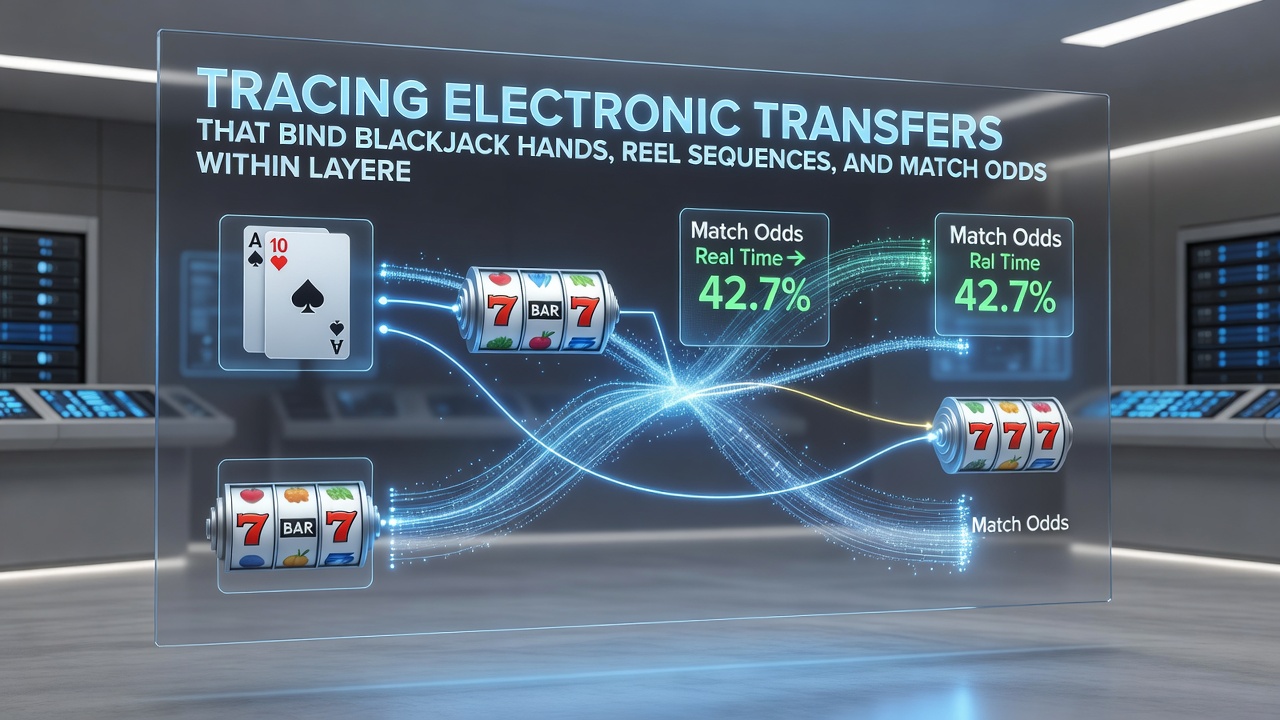
Industry reports from the European Gaming and Betting Association indicate that layered systems handle millions of daily transfers by partitioning data streams according to game vertical, which simplifies compliance audits. Players advancing through tiers often see their blackjack hand histories, slot cycle outcomes, and sports wager settlements aggregated into a single dashboard view that updates following each confirmed electronic movement. The architecture ensures that a transfer initiated for one category remains visible across all linked activities, creating a comprehensive record without requiring separate accounts.
Regulatory and Technical Considerations
Compliance frameworks in regions outside the UK require operators to maintain immutable logs of electronic transfers that connect disparate game types within loyalty calculations. These logs must demonstrate that point awards for blackjack hands, reel sequences, and match odds derive directly from verified funding sources rather than promotional credits alone. Technical teams implement hashing protocols and distributed ledger elements to preserve chain-of-custody details from initial deposit through final reward redemption.
Studies conducted by the Australian Gambling Research Centre highlight the importance of real-time monitoring when transfers span multiple game categories, noting that segmented tracking reduces errors in tier qualification. Systems deployed in August 2026 incorporated additional validation layers that flag unusual patterns, such as rapid shifts between high-odds sports wagers and extended slot sessions, while still allowing seamless point accumulation across the loyalty structure.
Conclusion
Electronic transfer systems continue to evolve as the backbone that unifies blackjack, slots, and sports betting within layered loyalty programs, delivering traceable records that support both operational efficiency and regulatory oversight. The integration of metadata tagging, tier-based thresholds, and cross-vertical reconciliation creates a framework where each hand, reel sequence, and odds selection contributes to a single, verifiable player profile. As platforms refine these connections, the emphasis remains on accurate mapping that reflects actual wagering behavior across all supported game types.