Integrated Reward Structures in Digital Gaming: Linking Slot Sequences, Table Rounds, and Sports Stakes via Mobile Networks
Written by Yves Jung · Aug 20, 2026
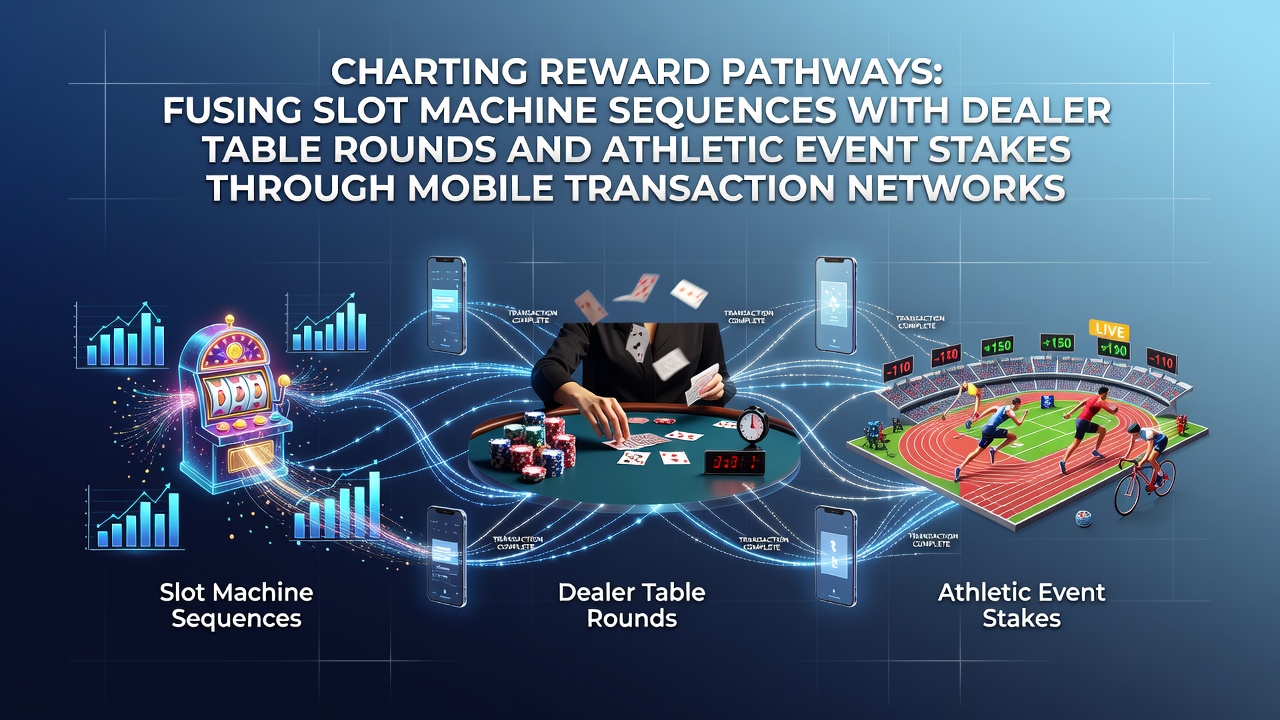
Integrated Reward Structures in Digital Gaming: Linking Slot Sequences, Table Rounds, and Sports Stakes via Mobile Networks
Digital platforms now combine slot machine sequences with dealer table rounds and athletic event stakes through coordinated mobile transaction networks that track player activity across multiple formats. These systems record sequences of spins, rounds of play, and wagers on events in real time, then convert that activity into unified reward points or tier credits. Data from transaction logs show that participants often move between game types within single sessions when payment rails support instant transfers and balance updates.
How Mobile Networks Coordinate Game Types
Mobile applications serve as the central point where operators record slot progressions alongside live dealer outcomes and in-play sports positions. Transaction networks process deposits and withdrawals while simultaneously updating loyalty ledgers, so a sequence of slot spins can directly influence eligibility for table bonuses or sports cashback offers. Observers note that integration relies on standardized APIs that pass session data between game servers and payment processors without requiring separate logins for each category.
Payment gateways handle both funding and reward accrual in the same flow, which reduces the number of steps between placing a sports stake and claiming table round credits. Research indicates that platforms using unified ledgers record higher session continuity rates because balances remain visible across formats at all times. As of August 2026, several major operators have expanded these networks to include additional sports leagues and more live dealer variants while maintaining the same reward conversion rules.
Data Flows and Reward Conversion Mechanics
Slot machine sequences generate points based on total spins and stake levels, while dealer table rounds contribute credits according to time spent and average bet size. Athletic event stakes add further points through settlement of wagers and participation in specific markets. Mobile transaction networks merge these inputs into a single player profile, applying multipliers when activity spans more than one category within a defined period.
Figures from industry reports reveal that conversion rates typically follow fixed ratios, such as one reward point per unit of turnover, adjusted for game type and stake tier. Those ratios stay consistent because the underlying transaction records feed directly into the loyalty engine without manual intervention. Experts have observed that real-time reconciliation prevents discrepancies that previously arose when separate systems handled sports and casino activity.

Examples of Cross-Format Activity Tracking
One documented pattern involves players funding an account once, then alternating between slot sequences and dealer table rounds while monitoring live sports odds in the same application. Transaction records capture each movement and apply cumulative progress toward the next reward tier. Another case shows participants completing athletic event stakes during breaks between table rounds, with the network automatically adding both forms of activity to the same loyalty balance.
According to data compiled by the American Gaming Association, multi-format engagement through single mobile sessions has increased steadily as payment infrastructure supports faster settlement. Operators use these patterns to adjust reward structures without changing the underlying transaction rules.
Technical Requirements for Seamless Integration
Secure tokenization of payment details allows the same mobile session to authorize sports wagers, fund table play, and record slot sequences without repeated authentication. Encryption standards protect transaction data while the loyalty system reads activity streams in parallel. Network latency remains low because reward updates occur as background processes rather than interrupting gameplay.
Studies from the Australian Gambling Research Centre indicate that platforms with sub-second transaction confirmation achieve higher retention across game categories. Those findings align with observed increases in combined slot, table, and sports participation when mobile networks operate without interruption.
Conclusion
Mobile transaction networks continue to serve as the backbone for reward pathways that fuse slot machine sequences with dealer table rounds and athletic event stakes. The systems record activity in unified ledgers, apply consistent conversion rules, and deliver tier progress across formats without requiring players to manage separate accounts. Continued expansion of these networks supports broader participation patterns while maintaining the data integrity needed for accurate reward distribution.