Mobile Payment Networks Link Slot Spins Card Tables and Live Events for Tiered Rewards in Handheld Apps
Written by Katja Coleman · Nov 19, 2026

Mobile Payment Networks Link Slot Spins Card Tables and Live Events for Tiered Rewards in Handheld Apps
Payment systems in handheld wagering applications create direct pathways that move activity across spinning reel games, card formats, and live event betting so users accumulate unified progress toward elevated account tiers. These networks process deposits and withdrawals in real time while tracking combined play metrics that determine status upgrades without requiring separate accounts for each category. Data from industry reports indicates that integrated transaction features now support simultaneous sessions where funds flow between game types and contribute to shared loyalty calculations.
Core Mechanics of Cross-Game Transaction Flows
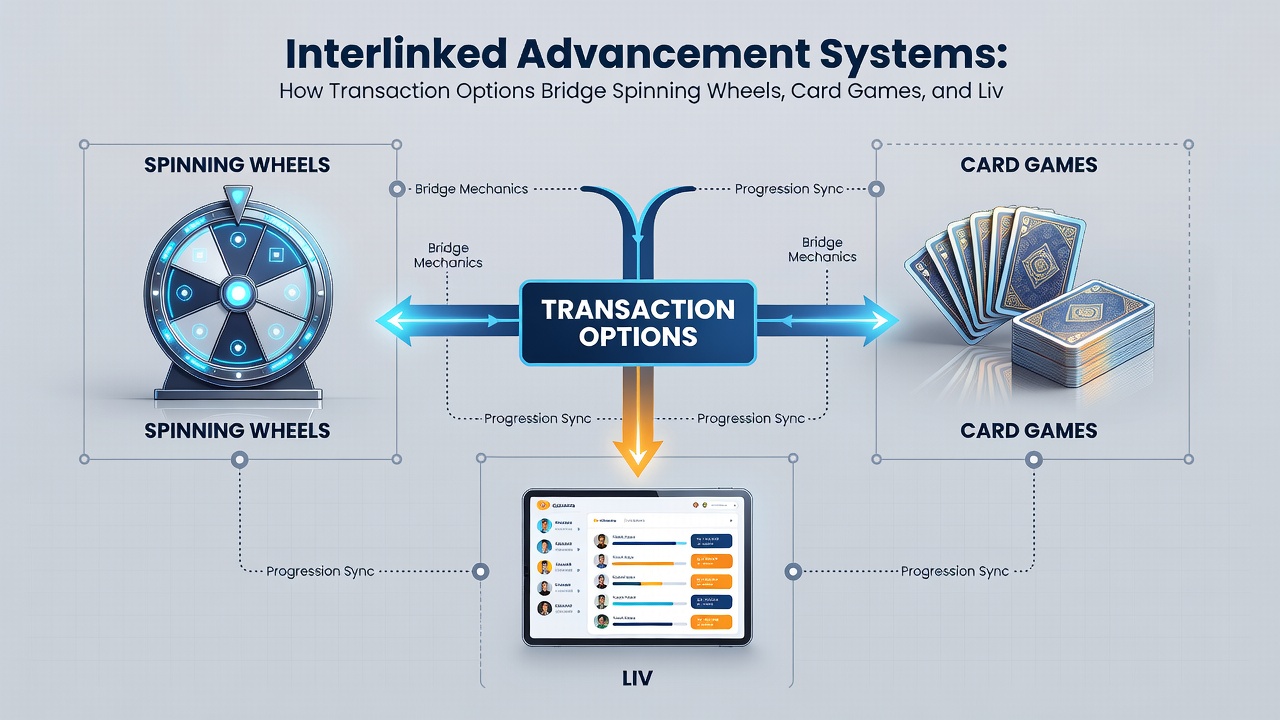
Applications maintain centralized ledgers that register every deposit or cashout regardless of the game selected at that moment. When a user funds an account through an e-wallet or card processor, the system assigns the transaction to a common progress pool that covers slots, table games, and sports wagers alike. Observers note that this structure eliminates the need for manual transfers between balances, which reduces friction and keeps activity counts rising steadily. Researchers at the University of Nevada Reno documented similar patterns in a 2025 study where unified ledgers increased total session length by connecting previously isolated game categories.
Live dealer sessions and in-play sports markets receive the same treatment, with each wager logged against the single advancement meter. Transaction records update status counters instantly, so a deposit made during a roulette round can immediately influence the points needed for the next tier. Figures from the American Gaming Association show that platforms using these unified systems reported higher retention rates through the first half of 2026 compared with apps that kept separate tracking for each vertical.
Bridging Spinning Wheels Card Games and Live Matches
Slot machines generate rapid spin counts that feed directly into the shared meter, while card tables contribute through hand volume and average bet size. Live matches add another layer because in-play adjustments and prop bets register as additional activity points within the same framework. The transaction layer acts as the connector that ensures every funding action or payout carries over across these formats without resetting progress. One documented case involved an app that synchronized a slot tournament entry fee with an ongoing basketball wager, allowing the single payment to advance both reel and sports status simultaneously.
By November 2026 several major handheld platforms had expanded these connections to include instant settlement options that credit winnings back into the common pool within seconds. This speed matters because delayed credits previously interrupted momentum toward higher tiers. Industry data indicates that platforms offering sub-minute reconciliation across game types saw measurable lifts in the number of users reaching mid-level VIP designations during the third quarter of the year.
Status Unlocking Through Unified Payment Activity
Tier advancement algorithms weigh total transaction volume alongside game-specific metrics, so deposits made for live matches count toward the same thresholds as those used for card sessions or slot spins. Higher status levels unlock features such as reduced withdrawal times, personalized game suggestions, and access to exclusive events that span multiple categories. Regulatory filings from Australian state authorities reveal that operators must report how these combined systems prevent fragmentation of player data while maintaining responsible gaming controls across all linked activities.
Applications often display a single progress bar that aggregates contributions from every vertical, allowing users to visualize advancement without switching screens. When a payment processes during a live event, the system automatically recalculates the distance to the next tier and displays updated requirements for slots and table play as well. This transparency helps maintain engagement because the path forward remains visible regardless of which game type receives the current focus.
Conclusion
Transaction networks in handheld wagering apps function as the central mechanism that joins spinning wheels, card games, and live matches into one advancement structure. By recording every deposit, withdrawal, and wager against a shared meter, these systems enable consistent movement toward higher status levels. Available data through late 2026 confirms that platforms employing such integrated approaches maintain steady user progression across diverse game categories while operating under established regulatory oversight in multiple jurisdictions.