Tiered Perks Lattice: Aligning Mobile Slot Sequences, Table Plays, and Athletic Bets Through Incentive Structures
Written by Yves Jung · Aug 11, 2026

Tiered Perks Lattice: Aligning Mobile Slot Sequences, Table Plays, and Athletic Bets Through Incentive Structures
Platforms operating on portable devices have developed systems where player activity across slot sequences, table hands, and athletic markets feeds into unified loyalty frameworks, and these structures assign points that unlock escalating benefits as users advance through defined tiers. Data compiled by industry tracking services shows that many operators calculate rewards based on total wagering volume rather than isolated game categories, which creates pathways for cross-vertical progression.
Mechanics of Point Accumulation and Tier Advancement
Users generate points through consistent engagement with reel sequences on mobile slots, repeated participation at virtual table games, and placements on athletic event outcomes, while algorithms convert these actions into a single metric that determines tier status. Research from the European Gaming and Betting Association indicates that higher tiers often grant cashback percentages that apply uniformly across all three categories, and operators adjust these rates according to regulatory guidelines in various jurisdictions.
Advancement typically requires reaching volume thresholds within set periods, and once achieved the status persists for a defined window that allows continued accumulation without immediate reset. Observers note that some systems incorporate multipliers during promotional windows, which accelerate movement between levels for those who split activity evenly among slots, tables, and sports markets.
Cross-Category Benefit Alignment in August 2026 Updates
In August 2026 several operators introduced adjustments that linked specific slot features directly to table game comps and in-play sports incentives, and these changes allowed players to redeem tier points earned on one vertical for entry into events on another. Platform records reveal that such alignments increased session lengths on mobile applications, particularly among users who previously concentrated activity in single categories.
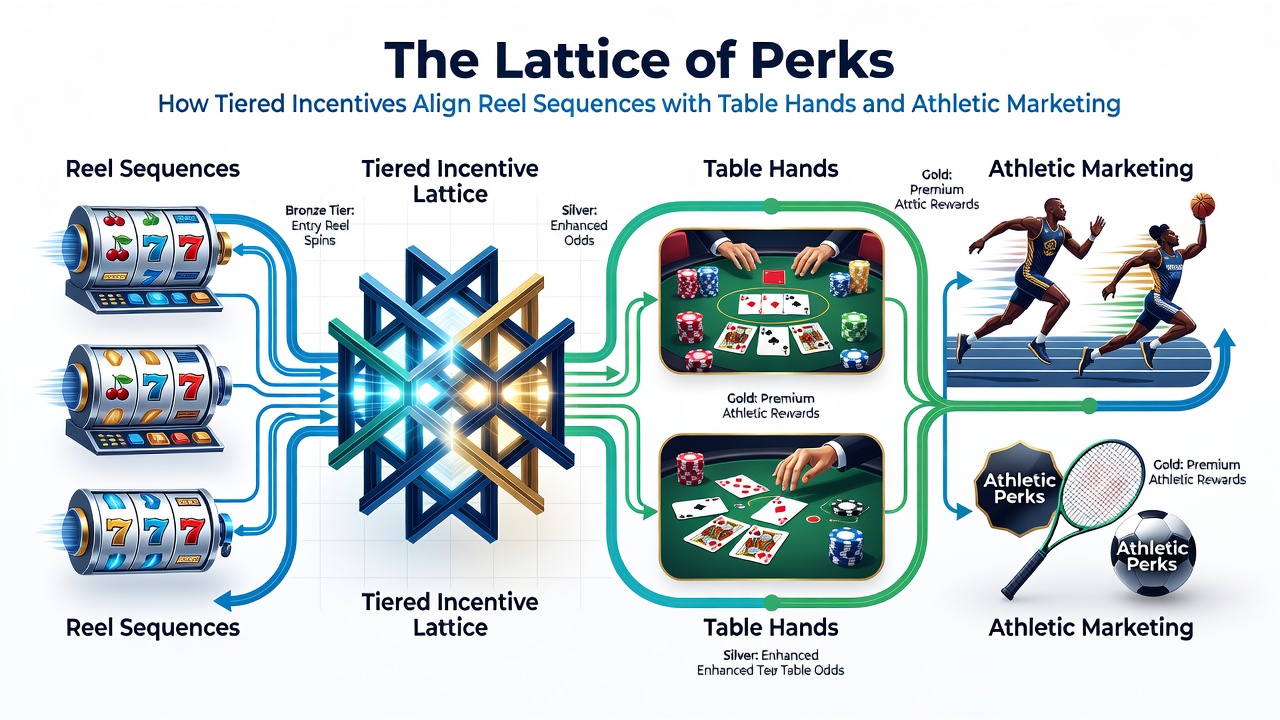
Analysts at the University of Nevada Gaming Research Center documented similar patterns in North American markets, where tiered programs that synchronized athletic prop bets with reel bonuses produced measurable shifts in user distribution across game types. The frameworks often include milestone rewards that activate automatically once cumulative activity meets criteria, and these rewards frequently take the form of free spins, table credit, or enhanced odds on selected sporting events.
Regulatory Context and Platform Adaptations
Government agencies in multiple regions require operators to maintain transparent records of how incentives distribute across game categories, and compliance reports filed in 2025 showed that integrated mobile systems accounted for rising shares of total player rewards. Platforms respond by embedding audit trails that track point origins from reel sequences, table hands, and athletic markets separately while still presenting a unified tier dashboard to users.
Industry organizations such as the Canadian Gaming Association have published guidelines that encourage clear disclosure of how cross-category activity contributes to tier status, and operators incorporate these recommendations into app interfaces to reduce user confusion. Data from these reports indicates that transparent systems correlate with higher retention rates among mobile users who engage with multiple verticals.
Examples of Integrated Reward Flows
One documented case involved a platform that awarded bonus rounds on slot sequences after a user reached a threshold of table hands combined with athletic wagers, and the same tier level simultaneously unlocked improved cashback on live sports markets. Another implementation allowed points earned during reel play to convert directly into entry tickets for table tournaments or enhanced accumulator odds on major athletic fixtures.
Those who monitor mobile gambling trends report that such flows encourage broader exploration of available games rather than repeated focus on single titles, and operators refine the ratios based on aggregated user behavior data collected across regions.
Conclusion
Tiered incentive structures on portable platforms continue to evolve by connecting activity in slot sequences, table hands, and athletic markets into cohesive progression systems, and available data from regulatory filings alongside academic studies demonstrates measurable impacts on user distribution and session patterns. Operators maintain these lattices through algorithmic point conversion and periodic regulatory adjustments that keep the frameworks aligned with legal requirements in their operating territories.