Tracing Digital Funding Channels That Advance Mobile Bettors Toward Tiered Incentives in Virtual Tables and Sports Props
Written by Ines Baumann · Aug 27, 2026
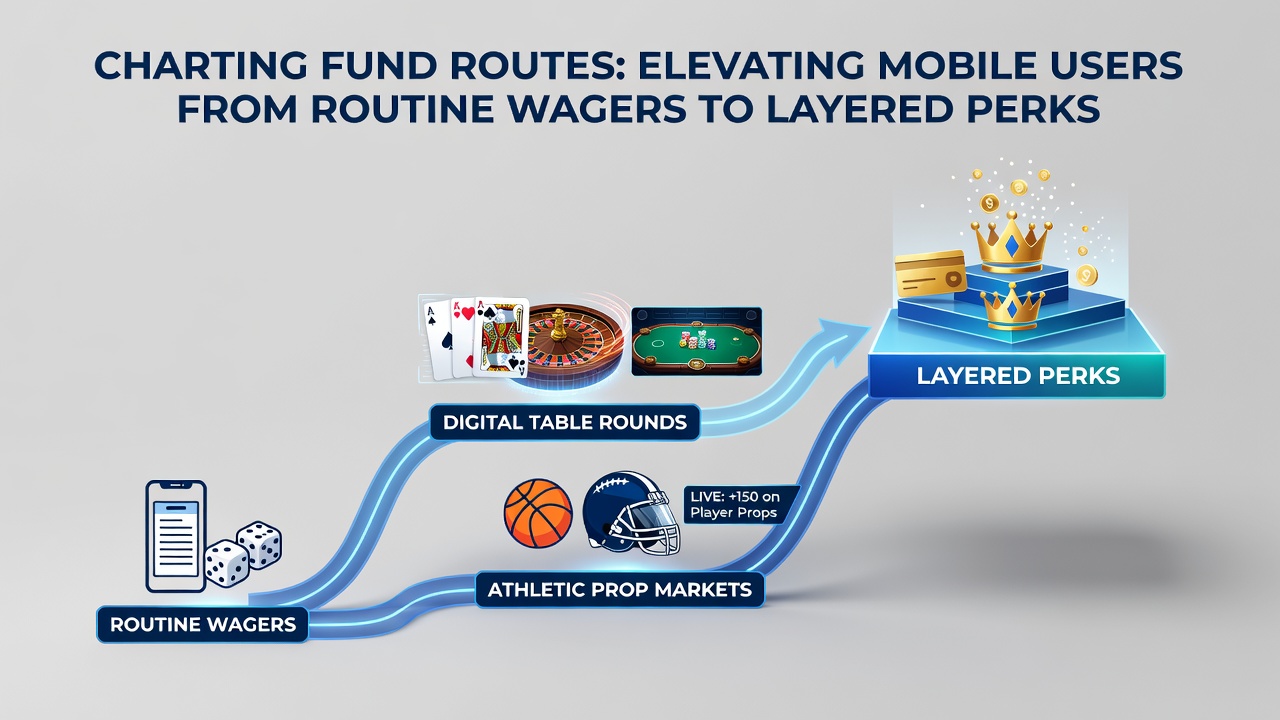
Tracing Digital Funding Channels That Advance Mobile Bettors Toward Tiered Incentives in Virtual Tables and Sports Props
Payment pathways in mobile gambling environments have evolved to connect routine deposits with progressive reward structures across digital table rounds and athletic prop markets, and data from industry reports highlight how specific funding methods influence access to layered perks.
Payment Method Categories and Their Role in Mobile Progression
Traditional bank transfers and card-based options continue to serve as entry points for many users, yet observers note that these routes often require additional verification steps before users qualify for accelerated tier advancements in app-based platforms. E-wallet services such as those offered by established providers integrate directly with mobile interfaces, allowing seamless transfers that data shows correlate with quicker accumulation of loyalty points in both live dealer sessions and in-play sports wagers.
Digital currency transactions have gained traction in several jurisdictions, and figures from regulatory filings indicate that platforms supporting cryptocurrency deposits frequently extend bonus structures tied to volume thresholds in roulette cycles and NBA proposition bets. Those who've examined transaction logs find that instant payment gateways reduce processing delays, which in turn supports continuous engagement patterns leading to higher perk eligibility.
Regional Trends and August 2026 Developments
Analysts tracking North American markets report that state-level frameworks in places like New Jersey and Pennsylvania have incorporated guidelines around digital funding transparency by mid-2026, and these adjustments coincide with expanded mobile offerings that link athletic prop markets to table game incentives. European operators, meanwhile, have adapted to cross-border payment standards that emphasize traceability, with evidence from compliance reviews showing how such measures affect reward layering for users transitioning from basic wagers.
In Australia, research conducted through academic channels at institutions focused on behavioral economics has examined how mobile deposit speeds influence participation rates in hybrid sports and casino environments, revealing patterns where faster routes align with elevated status benefits. Observers note that by August 2026, several platforms had introduced unified dashboards displaying funding history alongside perk milestones, streamlining the path from standard activity to multi-tier rewards.
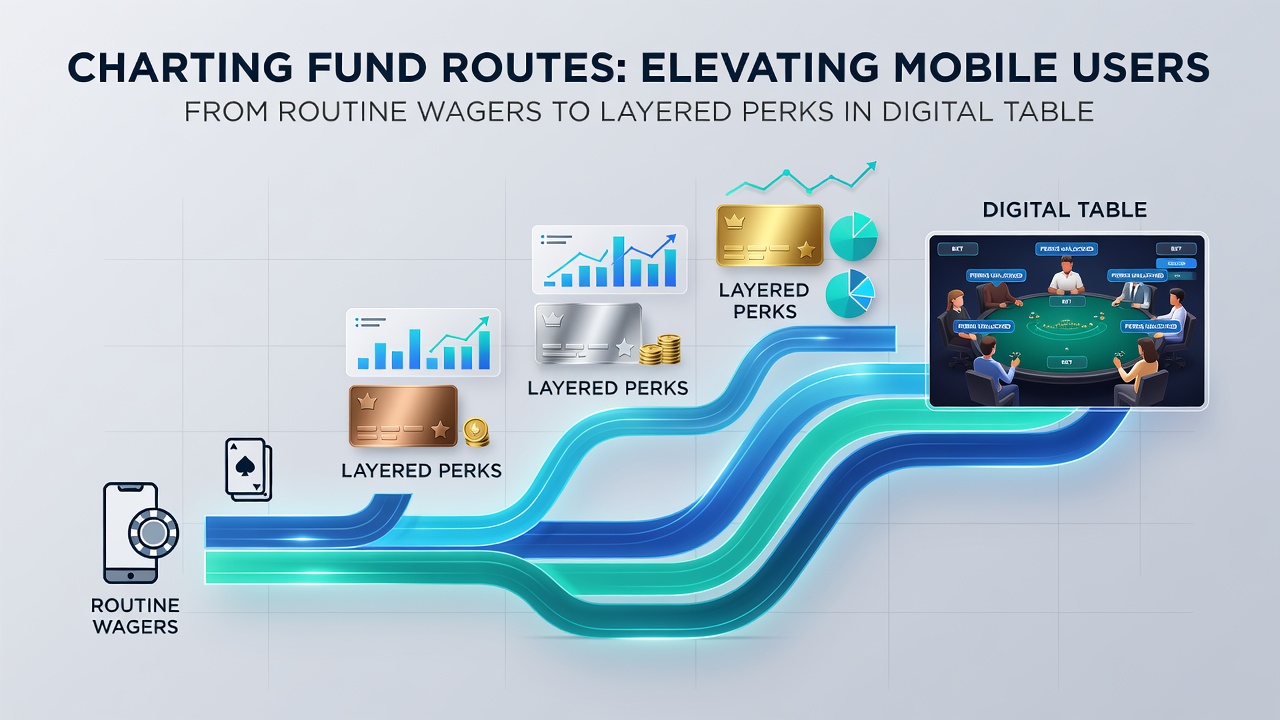
Integration of Funding Routes with Specific Game Types
Mobile applications that support both live dealer interactions and prop betting markets often route deposits through intermediary services that track cumulative activity, and this linkage enables automatic qualification for cashback or multiplier bonuses once thresholds are met. Studies from trade associations such as the American Gaming Association have documented how e-wallet and card combinations facilitate smoother transitions in blackjack and soccer side-bet scenarios, where users accumulate points across multiple sessions without separate account adjustments.
Case examples from platform analytics demonstrate that users employing layered funding sequences, beginning with smaller verified transfers and scaling to higher-volume methods, reach VIP segments at measurable rates. What's interesting is how these sequences align with event-driven promotions, such as those tied to major league schedules, allowing rewards earned in table rounds to apply directly within athletic prop interfaces.
Security and Compliance Considerations in Funding Flows
Regulatory bodies in multiple regions, including the Malta Gaming Authority, have issued updated directives on transaction monitoring that impact how mobile operators structure reward programs, and compliance data indicates these rules encourage transparent fund routing to prevent fragmentation of user activity records. Platforms responding to these standards have implemented consolidated ledgers that display deposit origins alongside perk redemptions, reducing discrepancies in cross-game reward applications.
Industry reports further reveal that authentication protocols tied to certain payment channels, such as biometric verification in e-wallets, correlate with sustained user progression through tier levels in both digital table environments and sports markets. Those monitoring August 2026 updates observe that enhanced verification has not slowed adoption but has instead supported more precise tracking of activity that feeds into layered incentive systems.
Conclusion
Funding channels continue to serve as foundational elements in mobile gambling ecosystems, connecting everyday wagers to structured perk systems across table rounds and prop markets through measurable transaction patterns. Data from diverse sources, including regulatory filings and academic reviews, underscore the operational links between deposit methods and reward eligibility without implying directional preferences. As platforms refine these routes in response to evolving standards, the emphasis remains on documented flows that support user advancement in integrated digital settings.